

Maintaining Heritage Value and Character-Defining Elements
There are far too many past examples in Canada where character-defining elements were replaced in the name of energy efficiency or environmental requirements without adequate evaluation of potential impacts on heritage value. These replacements did not improve energy performance and were a poor return on investment. It’s important to avoid replicating these mistakes by ensuring that a building’s heritage value and character-defining elements have been identified and that its environmental characteristics and performance have been properly understood before beginning planning measures that will improve energy efficiency and overall sustainability.
Once heritage value and character-defining elements have been established, sustainability goals can be balanced with the broader project objectives. In order to determine the most appropriate solutions to meet energy efficiency requirements with the least impact on character-defining elements, the project team should work with specialists at this point.
The next step is to create a project-wide design and conservation approach to the rehabilitation intentions. Minimal intervention and reversibility are always foundational principles when rehabilitating heritage properties; the remaining elements of the approach establish criteria for making design decisions, and they help provide a definitive rationale for the interventions.
Usually, drafting a matrix of desired interventions, such as improvements that are sustainable, their prioritization, and their anticipated heritage character impact, will help the designer establish a systematic decision–making process that applies the rigour needed to most successfully execute the design and conservation approach.
Enlisting one of the on-line decision making tools, as listed at the end of the Resources Section of Part Four, can also help the designer work through challenging and often conflicting objectives.
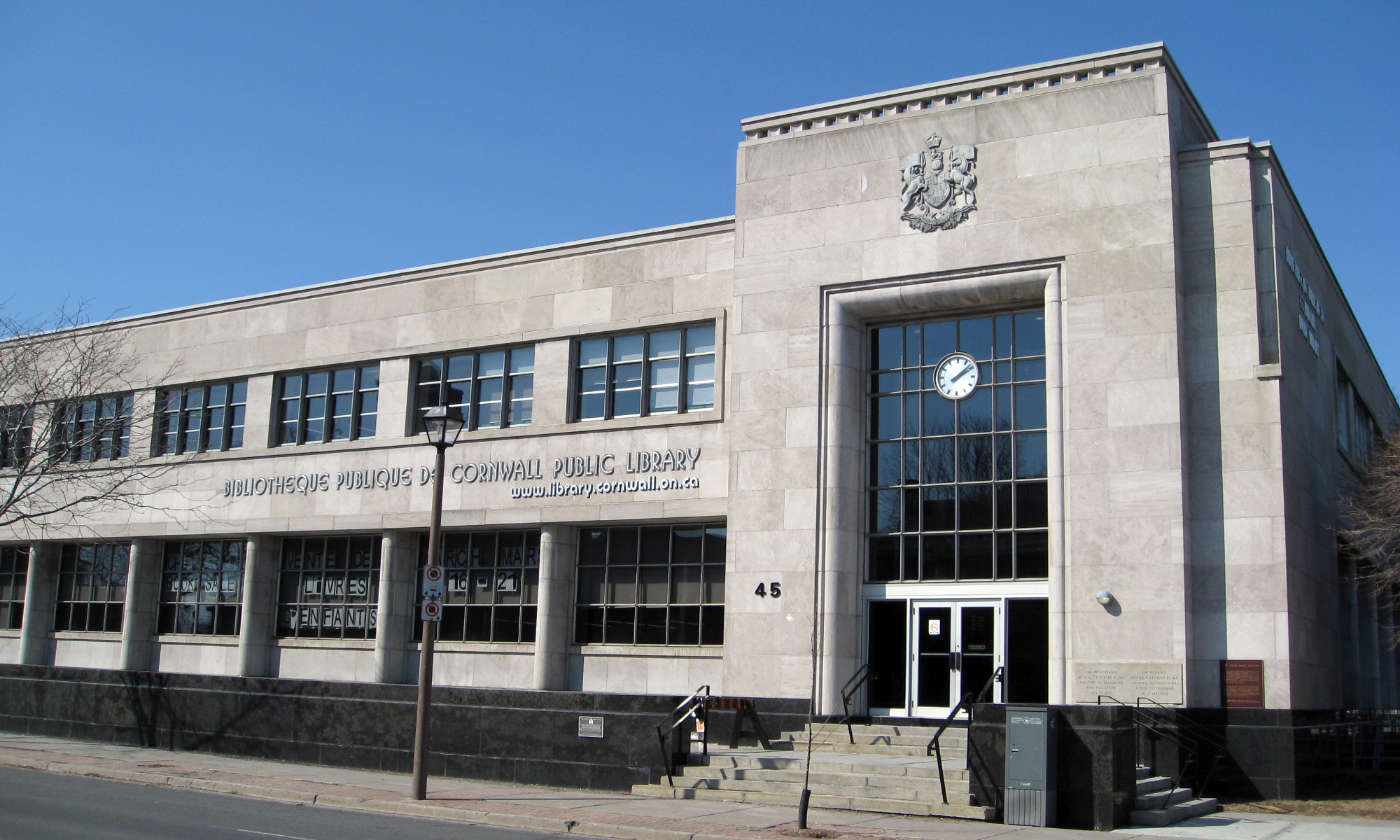
Cornwall Public Library located within the adaptively reused Federal Building. Source TRACE
Considering Heritage and Non-Heritage Buildings
Building Resilience is intended to provide guidance for considering sustainability modifications to all sizes and types of buildings regardless of heritage value. All buildings contain inherent characteristics that should be respected to minimize material expended and unnecessary waste of usable materials.
Yet, as heritage value must be considered when deciding on the nature and degree of appropriate intervention, these guidelines also give specific direction for minimizing impacts on character-defining elements and intervening sensitively into non-character-defining elements in buildings with heritage value when considering upgrades that support sustainability.
In addition, completing the original design intent is not always a reasonable approach from a heritage conservation perspective and is rarely supported by the Standards and Guidelines for the Conservation of Historic Places in Canada. However, completion may be justified in the name of environmental goals to reduce urban sprawl or enhance the use and sustainability of an existing building.
Then sustainable upgrades are being considered for an existing or traditionally-constructed building, the design approach must be based on a comprehensive understanding of the building’s original materials and assemblies, including interrelated systems, materials sourcing, design language, and spatial organizations. This understanding, sometimes referred to as “whole building ecology,” will provide a clear picture of the building as an interconnected system in and of itself. Understanding these interrelationships will help identify the optimal changes and interventions that have the least impact upon resources and building character or heritage value and the most impact upon sustainable performance.
Any existing building will have these interrelated components inherent in its makeup:
- design and spatial relationships;
- systems and operating functions;
- built assemblies and components.
If the objective is to improve energy performance, the design team must first consider these inherent functions. The team should seek to understand, for example, how the building was originally designed to function with respect to energy (lighting, heating and cooling systems, building envelope, etc.) and to assess the current operation and condition of those energy assemblies and systems. There is also value in understanding the environmental impact and benefit of the retrofit or rehabilitation process itself (treatments, materials, waste management, etc.), to help determine repairs, materials replacement, and treatments.