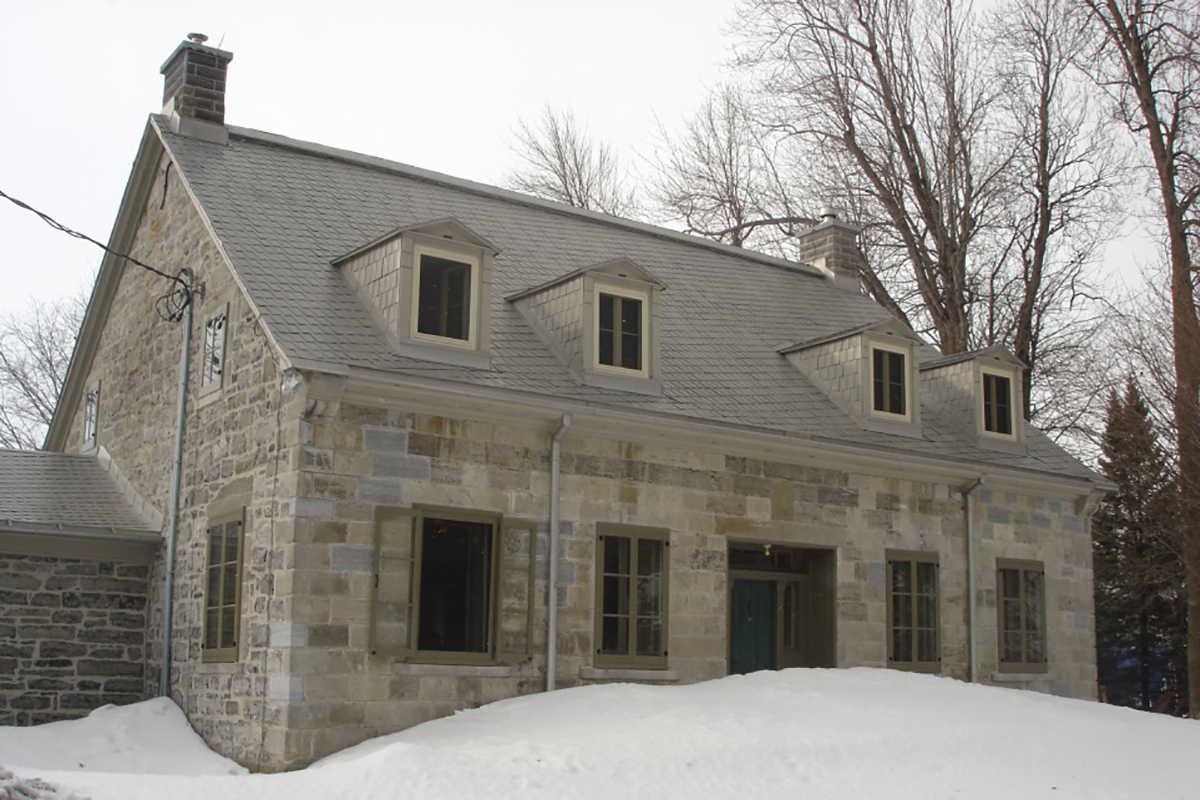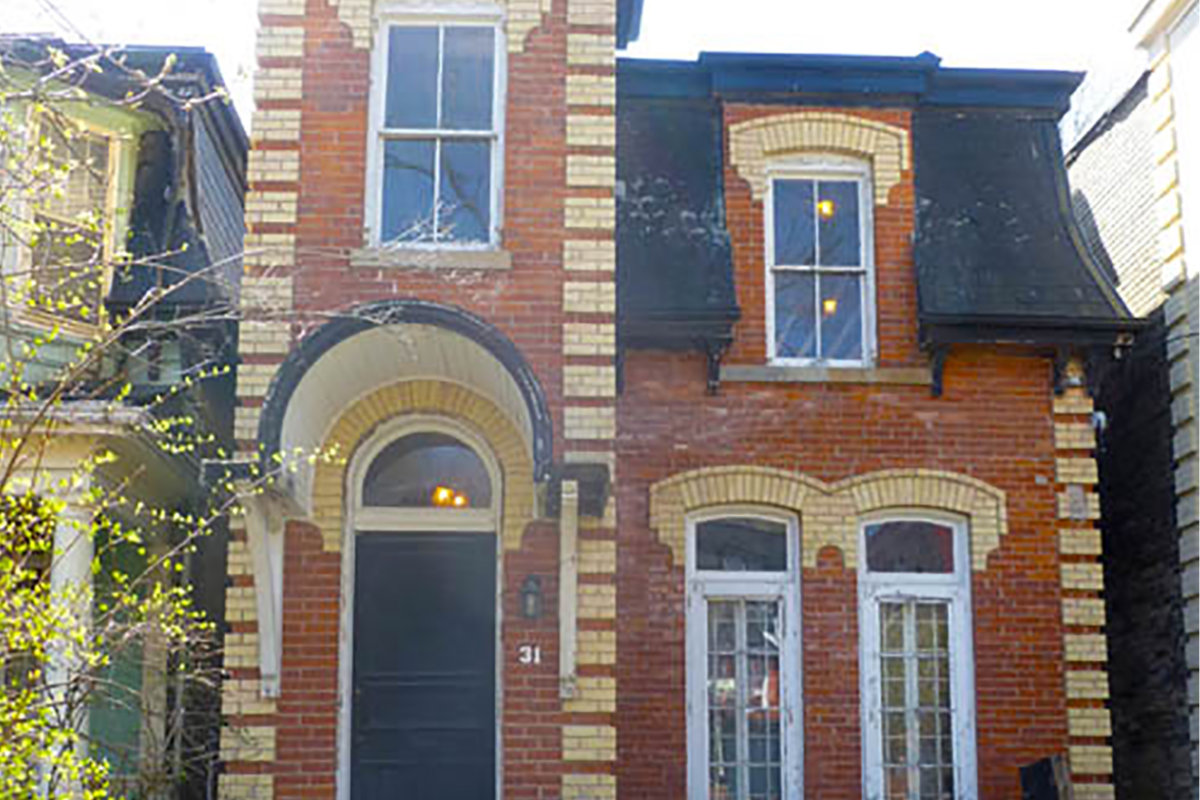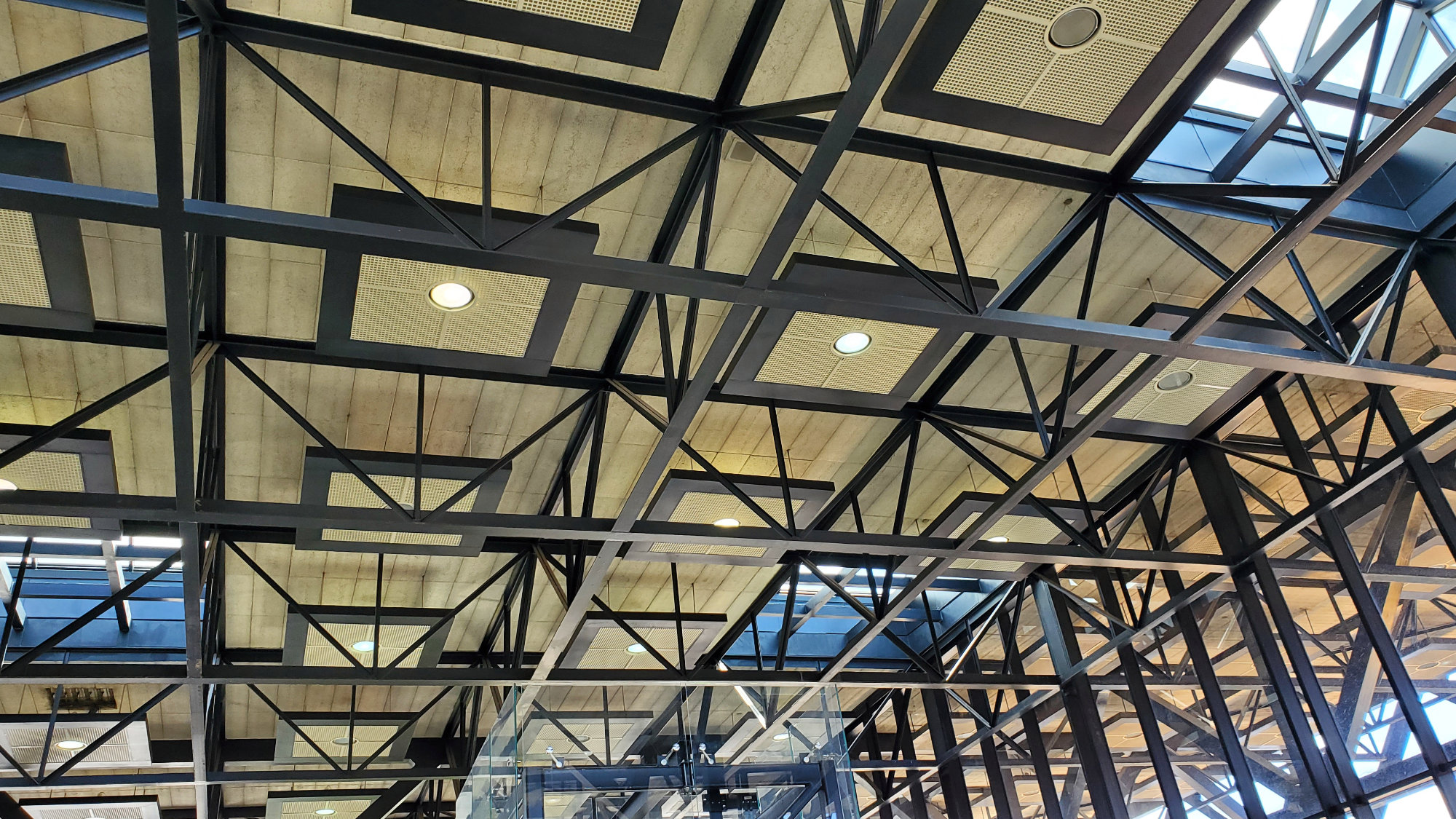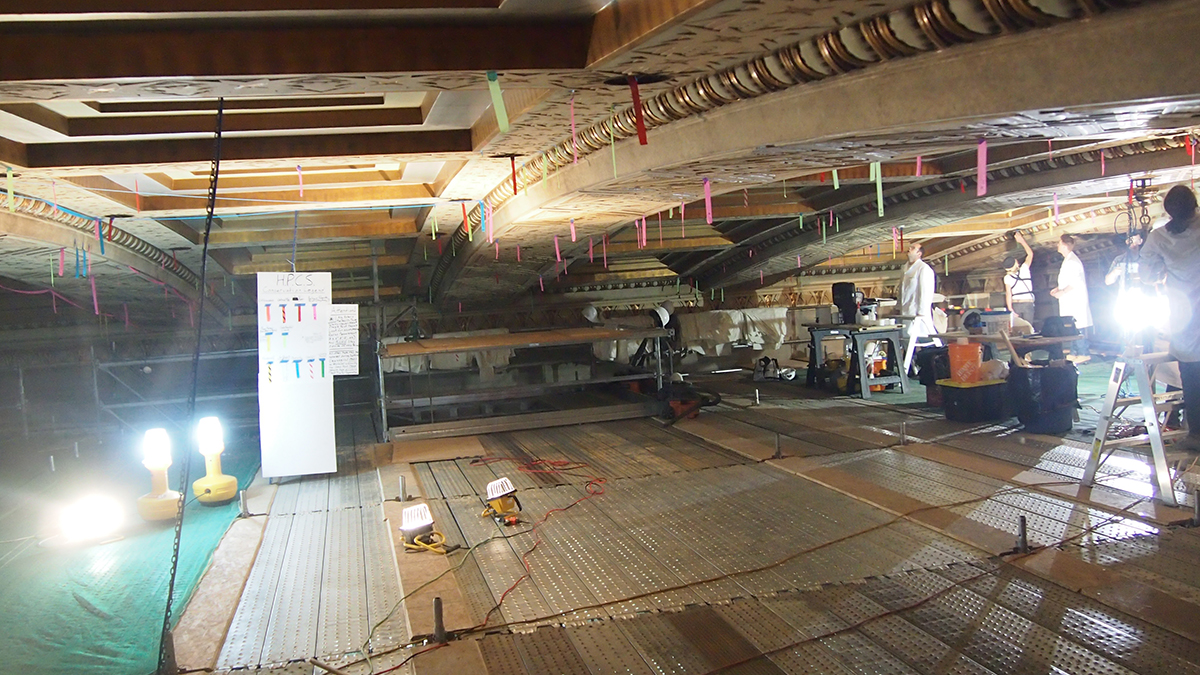


Building Resilience: Practical Guidelines for the Retrofit and Rehabilitation of Buildings in Canada serves as a “sustainable building toolkit” that will enhance understanding of the environmental benefits of heritage conservation and of the strong interrelationship between natural and built heritage conservation.
Highlighted Components
Regardless of project size or type, there are common considerations for retrofit and rehabilitation projects, particularly those including energy retrofits and environmental benefit objectives that can serve as guidelines for best practices.
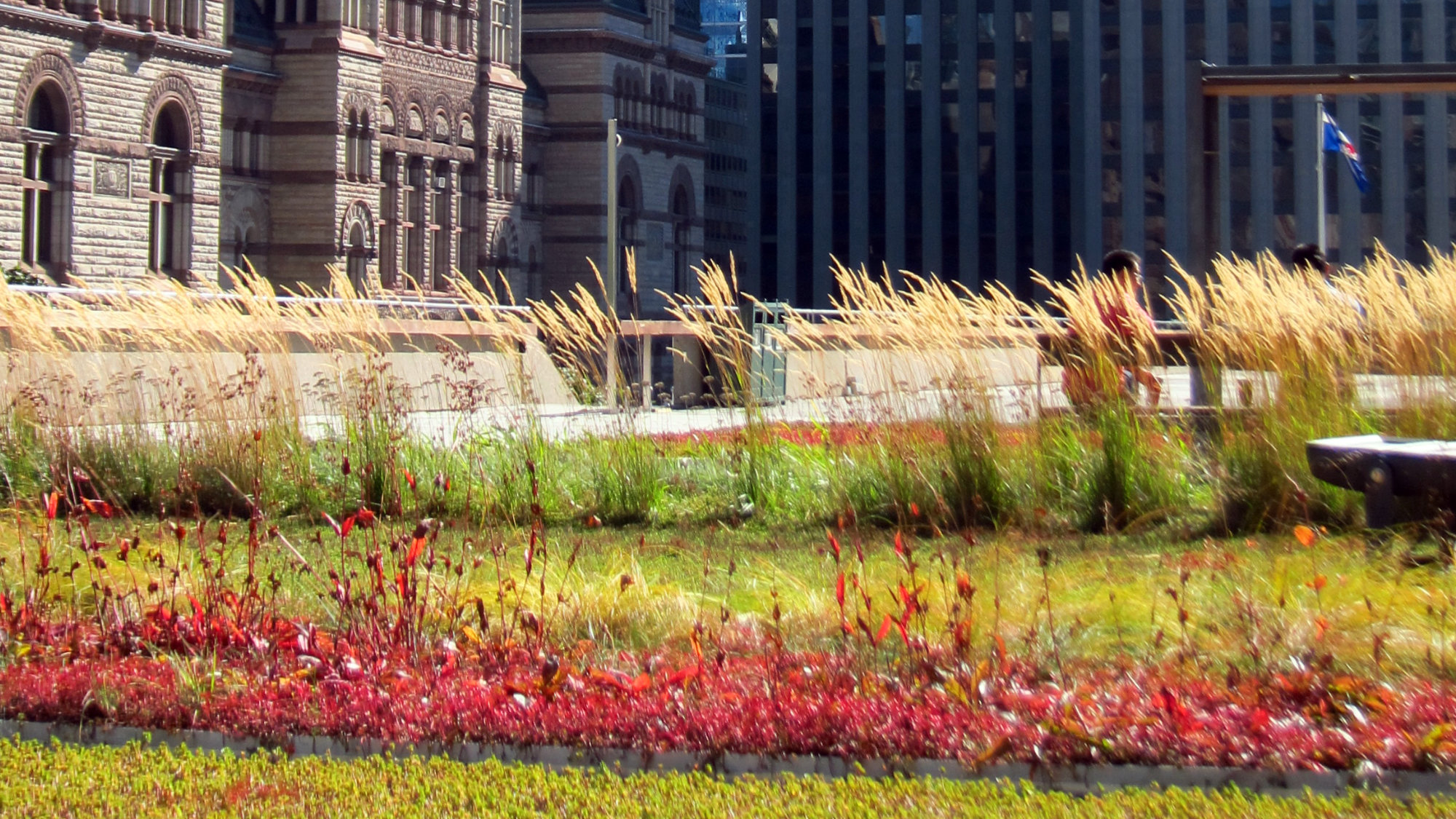
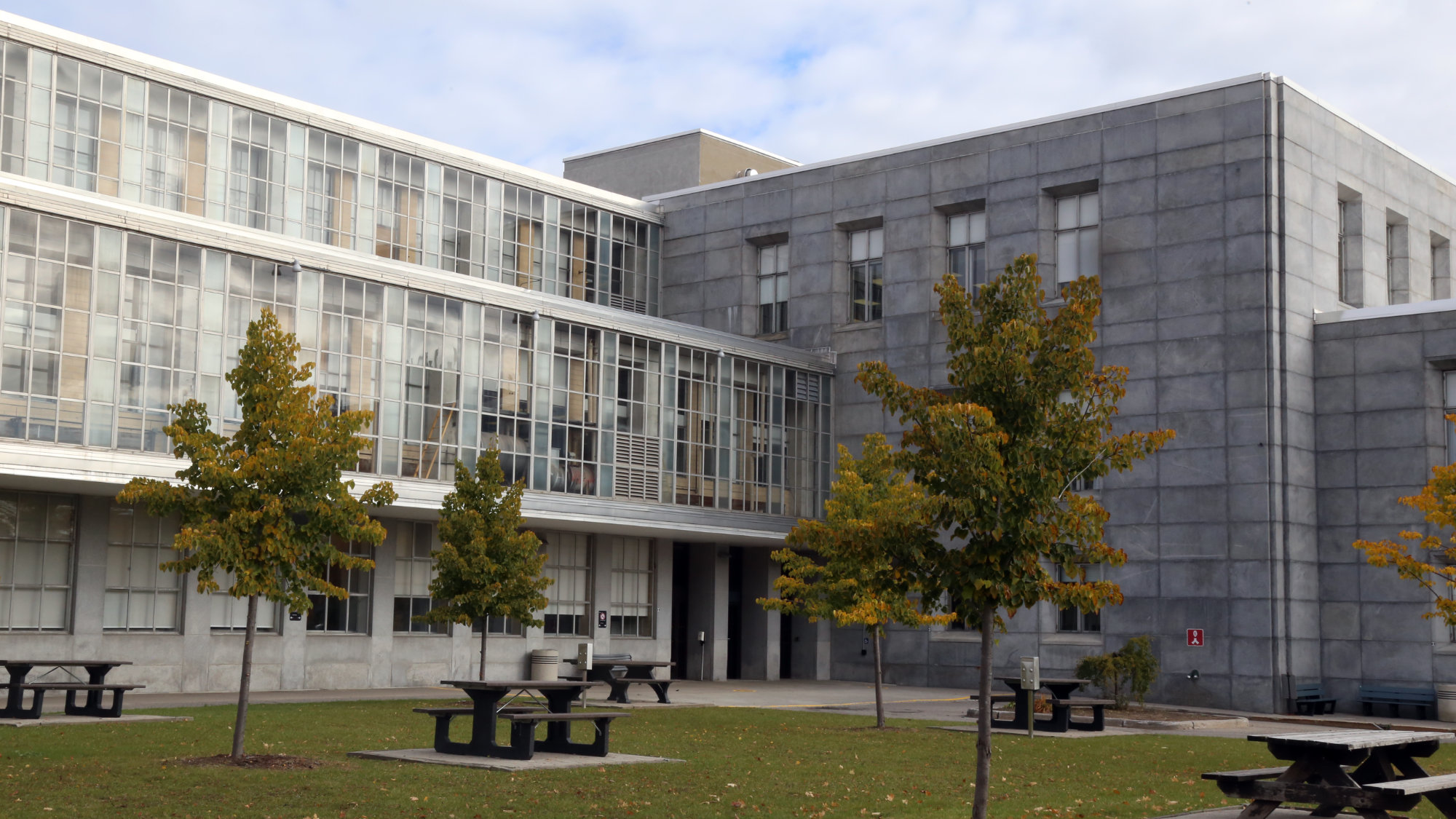
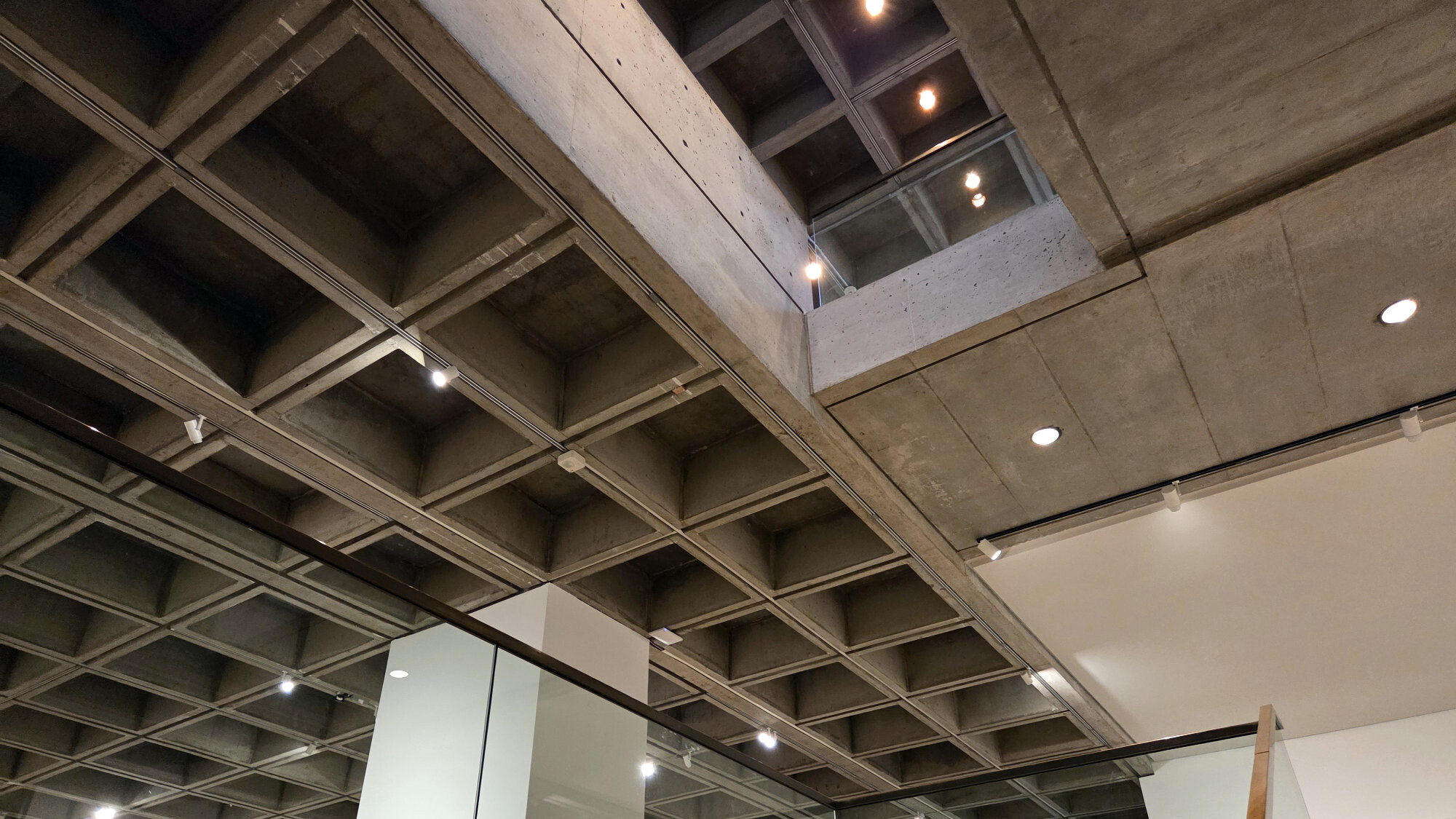
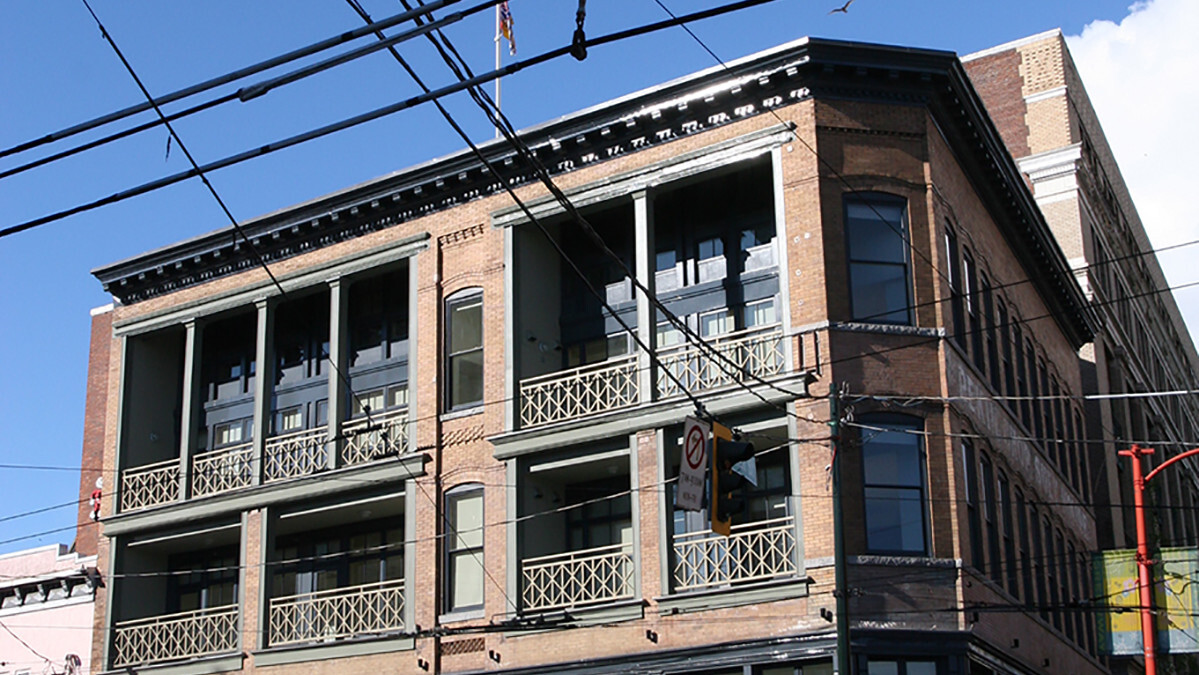
“HERITAGE CONSERVATION CONTRIBUTES TO CREATING A SUSTAINABLE BUILT ENVIRONMENT AND RESILIENT COMMUNITIES”
Federal, Provincial and Territorial Directors of Culture and Heritage in Canada have endorsed the above statement to underpin the development of these guidelines.
Highlighted Inherently Sustainable Features
Characteristics of a building or site that, through their design, physical materials or building or natural systems, embody principles of sustainability.
Highlighted Case Studies
Case studies provide illustrative examples of building retrofits and rehabilitations across Canada where sustainable principles are effectively incorporated to help significantly improve the building’s overall sustainability while protecting heritage value.