

12 Operations and Maintenance

Task lighting with personal control. Former McGregor Sock Factory (Stantec Offices) Toronto, ON. Source: TRACE
This section provides guidance for sustainable operations and maintenance affecting all building elements, especially when they are identified as character-defining elements of an historic place. It also gives direction on how to minimize the impact of operations and maintenance on non-character-defining elements in an historic or non-historic building.
The continuing operation and maintenance of a building accounts for a significant amount of energy used over its lifespan. Building operation is typically driven by tenant, user, and support activities. Maintenance includes building systems re-commissioning and cleaning, periodic reviews, repairs, and retrofit or rehabilitation of building elements.
Operations and maintenance strategies should be explored at the outset of developing a sustainable rehabilitation plan and on an on-going basis, especially where opportunities exist to improve functionality of existing systems with limited to no changes to the base building. In addition, operations and maintenance directly affect material integrity.
Operations and maintenance applies to all building components. They recognize the interconnected relationship between building components to create a building envelope and influence the system behaviour and efficiency.
Maintaining building materials, components, and assemblies on a regular basis to provide longer life improves both environmental and economic sustainability. Focusing on local labour for repairs, retrofits and rehabilitations rather than distant manufacturing, transporting, and frequent replacements improves social, economic, and environmental sustainability.
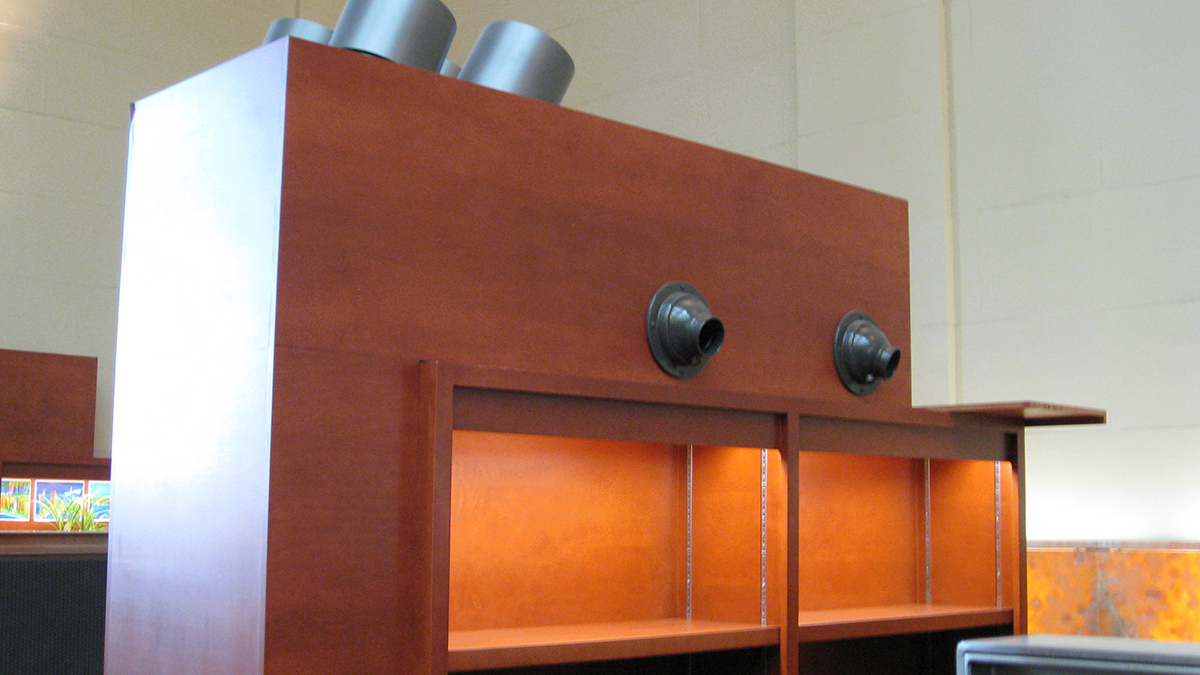
Directional localized Punkah grilles integrated into modern furniture insertions within a voluminous former banking hall. Library of Parliament Annex (Former Bank of Nova Scotia Rehabilitation), Ottawa, ON. Source: TRACE
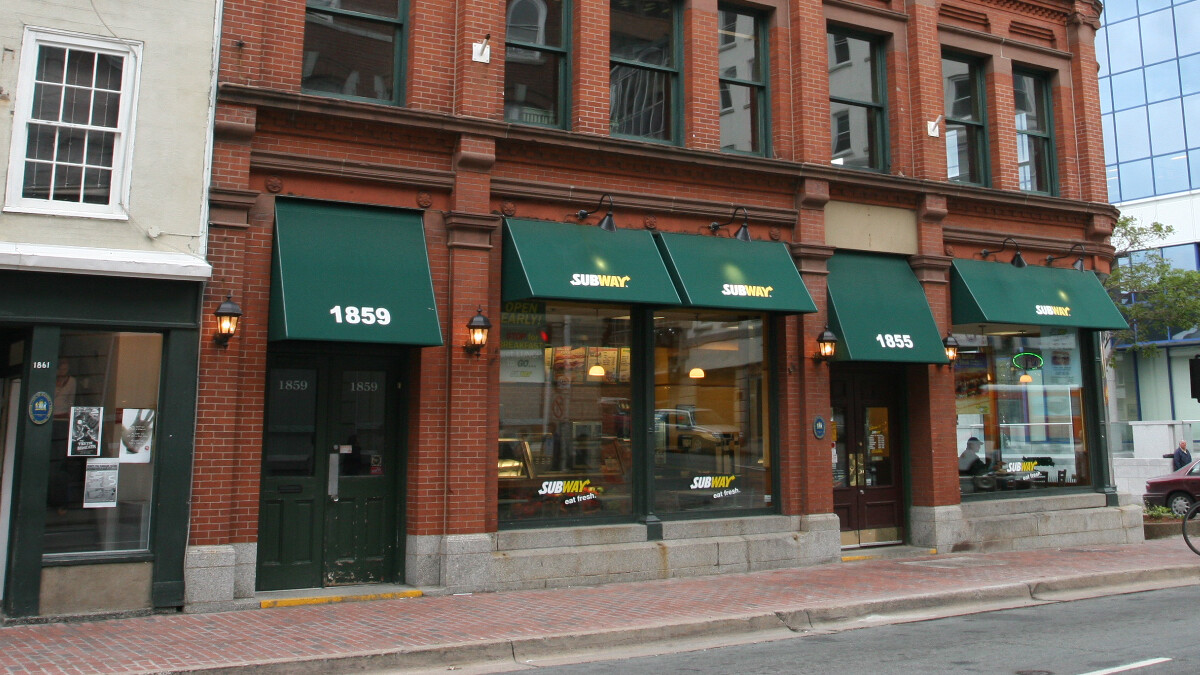
Operable upper storey windows in a mixed use heritage building. Halifax. NS. Source: Shelley Bruce
Sustainable Rehabilitation Project Guidelines for Operations and Maintenance
| Recommended | |
|---|---|
| 1 | Understanding the relationship between building maintenance and energy and economic efficiency. |
| 2 | Maintaining historic or heritage resources, their character-defining elements and lesser elements regularly (time frame varies by the material and/or assembly in question). This will preserve historic/heritage fabric and maximize operational efficiency. |
| 3 | Educating building tenants, occupants, operators, and owners as to the operating parameters and intended function of their building. |
| 4 | Completing periodic comprehensive re-commissioning of all building systems and confirming systems are operating as intended. |
| 5 | Providing localized controls for systems with central overrides to “right-size” building system use. |
| 6 | Tracking localized energy use through sub-metering to create greater awareness of energy usage and waste points that can be corrected. |
| 7 | Using environmentally-friendly cleaners and cleaning policies that are compatible with character-defining elements. |
| 8 | Prohibiting smoking inside buildings and within eight metres of entrances, outdoor intakes, and operable windows to improve indoor air quality and reduce impact on interior features and occupant health. |
| 9 | Maintaining character-defining “in-service” assemblies such as operable air flow vents. |
| 10 | Maintaining as-built documents to reflect evolving locations of building components and systems. |
| 11 | Maintaining maintenance logs complete with treatments, products used, and tradespeople involved for all building systems. |
| 12 | Maintaining, storing, and erecting seasonal elements such as awnings, shutters, and storm windows where feasible. |
Inherently Sustainable Features
Sustainability Challenges
Sustainability challenges for existing buildings, particularly historic buildings, include:
- Incompatible life spans in sealed assemblies, requiring full replacement when only one element has failed;
- Building systems that require periodic re-calibration to minimize waste;
- Operators who sometimes lack the specialized knowledge to maintain heritage elements/systems;
- Users who are sometimes not familiar with how to operate heritage elements/systems;
- Users who are sometimes not aware of energy being used;
- Deferred maintenance due to neglect or funding challenges.
Interrelationships
Select examples of interrelationships between different building elements with respect to operations and maintenance include: